
eSIM vs Physical SIM: What's the Difference?
 Owen4 min read
On this page
The mobile industry produces roughly 4.5 billion SIM cards every year. That's 4.5 billion tiny plastic rectangles, each one manufactured, packaged, shipped, and eventually thrown away. The SIM card has been around since 1991, and it still works the same way: a removable chip that tells your phone which network it belongs to.
eSIM skips all of that. It's a chip soldered directly to your phone's motherboard. You download carrier profiles to it over the internet. No tray, no pin tool, no tiny rectangle to lose in the bottom of your bag.
But "newer" doesn't automatically mean "better for everyone." Here's where each option actually wins.
Size and Design
A nano SIM measures 12.3mm x 8.8mm. An eSIM chip is roughly 6mm x 5mm, soldered permanently inside the device.
That freed-up space lets manufacturers fit a bigger battery or improve water resistance. Apple dropped the SIM tray entirely from US iPhones starting with the iPhone 14. Samsung and Google are expected to follow.
Switching Plans and Carriers
With a physical SIM, switching carriers means getting a new card. Order it online and wait for delivery, or visit a store. Either way, you're swapping tiny plastic rectangles with a pin tool.
With an eSIM, you scan a QR code or tap through an app. The new profile downloads in about two minutes. Your old profile stays saved on the device if you want to switch back later.
For travelers, this is the big win. Buy an eSIM data plan before you leave home, and your phone connects the moment you land. No hunting for a SIM vendor at Narita or Heathrow. The Japan eSIM guide walks through the whole process.
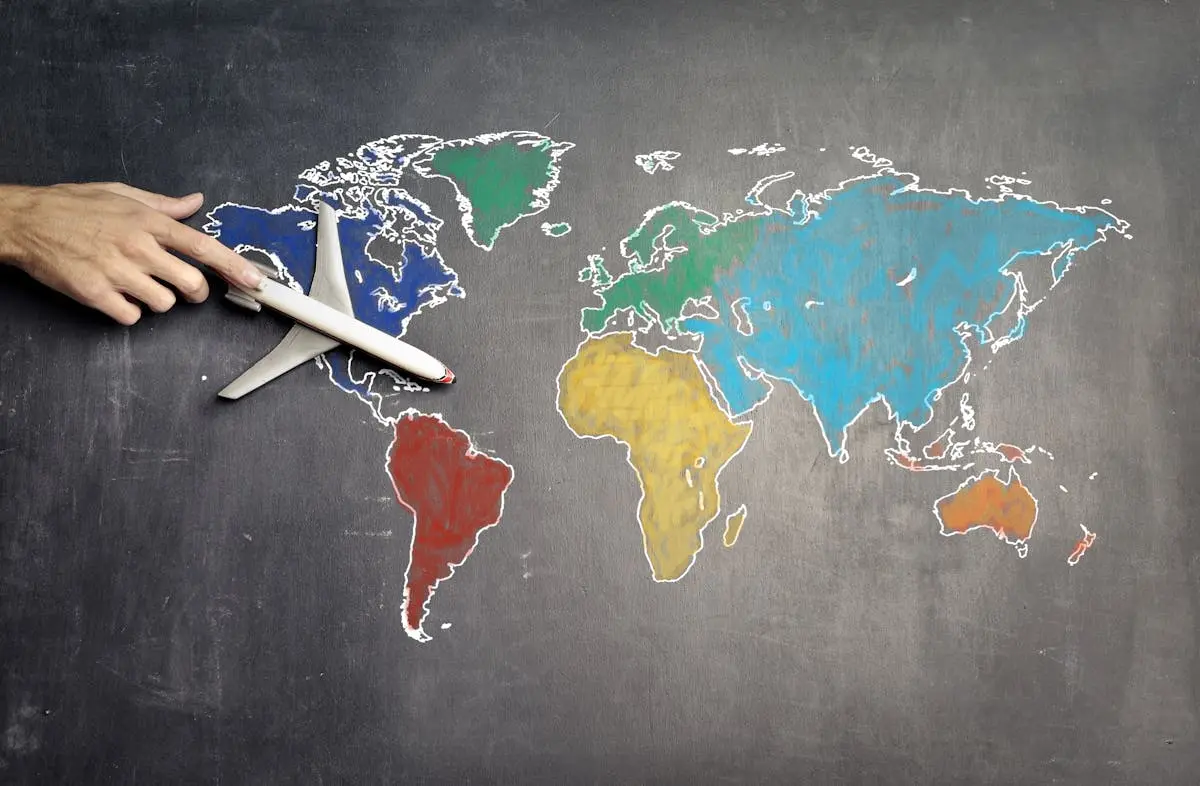
With eSIM, you can store profiles from multiple carriers and switch between them before your flight.
Multi-Profile Storage
A physical SIM is one card, one profile. Want to switch? Remove it and insert another.
eSIM flips this. Recent iPhones store eight or more eSIM profiles. Samsung Galaxy phones support multiple stored profiles too. You can keep your home carrier, a work line, and plans from five different countries all saved on one device.
The catch: only one or two profiles can be active at any time. But switching takes a few taps in Settings, not a pin tool and a steady hand. Travel to Thailand regularly? Buy a plan once and reactivate the saved profile next time.
Security
Physical SIMs have an obvious vulnerability: someone can pull the card out of a stolen phone and pop it into their own device, instantly gaining access to your number, your texts, your two-factor codes. It takes about ten seconds.
eSIMs can't be physically removed. The chip is soldered to the motherboard. Profiles are downloaded through GSMA's Remote SIM Provisioning protocol, which uses TLS encryption and certificate-based mutual authentication between the eUICC chip and the carrier's servers. In plain terms: both sides verify each other's identity through a trusted authority before any data transfers.
Neither type protects you against social-engineering SIM swap attacks, where a scammer convinces your carrier to port your number to a new device. That threat is carrier-side, not hardware-side. But against physical theft, eSIMs are meaningfully harder to exploit.
Environmental Impact
The numbers here are stark. The mobile industry produces roughly 4.5 billion physical SIM cards per year. Each card is a PVC plastic cutout inside additional plastic, cardboard, and foil packaging. That's a lot of non-recyclable plastic waste.
eSIMs eliminate all of that. No plastic card, no packaging, no shipping. A lifecycle assessment by Fraunhofer IZM found that eSIMs produce around 46% less CO2 emissions than physical SIMs over a typical three-year phone lifespan (123g vs. 229g CO2 equivalent).
Is this reason alone to switch? Probably not. But it's a genuine upside with zero downside.
Where Physical SIMs Still Win
Physical SIMs aren't obsolete. They still win in a few areas:
Universal compatibility. Every phone with a SIM slot accepts a physical card. Plenty of budget and mid-range phones still lack eSIM support.
Easy device transfers. Pop the card out of one phone and into another. Transferring an eSIM profile between devices means going through your carrier's process, which varies in difficulty.
No internet required. Installing an eSIM needs WiFi or existing data. A physical SIM works the moment you insert it.

For most travelers, the best setup is both: physical SIM for your home line, eSIM for local data abroad.
Which Should You Choose?
If your phone supports eSIM and you travel internationally, eSIM is the clear winner. The convenience of installing a local data plan before your flight, keeping your home number active on your physical SIM, and storing multiple country profiles on one device is hard to beat. Our beginner's guide to eSIM covers the basics if you're new to the technology.
If you use a phone without eSIM support, or you prefer the tactile simplicity of a card you can see and hold, physical SIMs work fine. They're not going away tomorrow.
For most people reading this in 2026, the answer is probably both. Use your physical SIM for your primary line and eSIM for travel data. That's the setup most travelers prefer, and it's what dual-SIM phones were designed for.
Photos by Jacob and Anete Lusina on Pexels.
Photos from Pexels (free license).
Find data for your next trip
Compare coverage, data and validity before choosing your eSIM.
Browse destinationsMore for your trip

Learn
eSIM Security: Is It Safer Than a Physical SIM?
How eSIM technology protects against SIM swapping, physical theft, and cloning — plus the risks that remain and what you can do about them.
Owen4 min read
Learn
Can You Use eSIM and a Physical SIM at the Same Time?
Yes, most modern phones support Dual SIM — running an eSIM alongside a physical SIM card. Here's how to set it up, manage two lines, and choose defaults for calls, texts, and data.
Owen4 min read
Learn
The Future of eSIM: What's Coming in 2026 and Beyond
Where eSIM technology is headed next: iSIM chips built into processors, eSIM in cars and wearables, carrier adoption going mainstream, and the timeline for physical SIM cards to disappear.
Owen5 min read