
Japan eSIM Guide: Everything You Need to Know
 Mia7 min read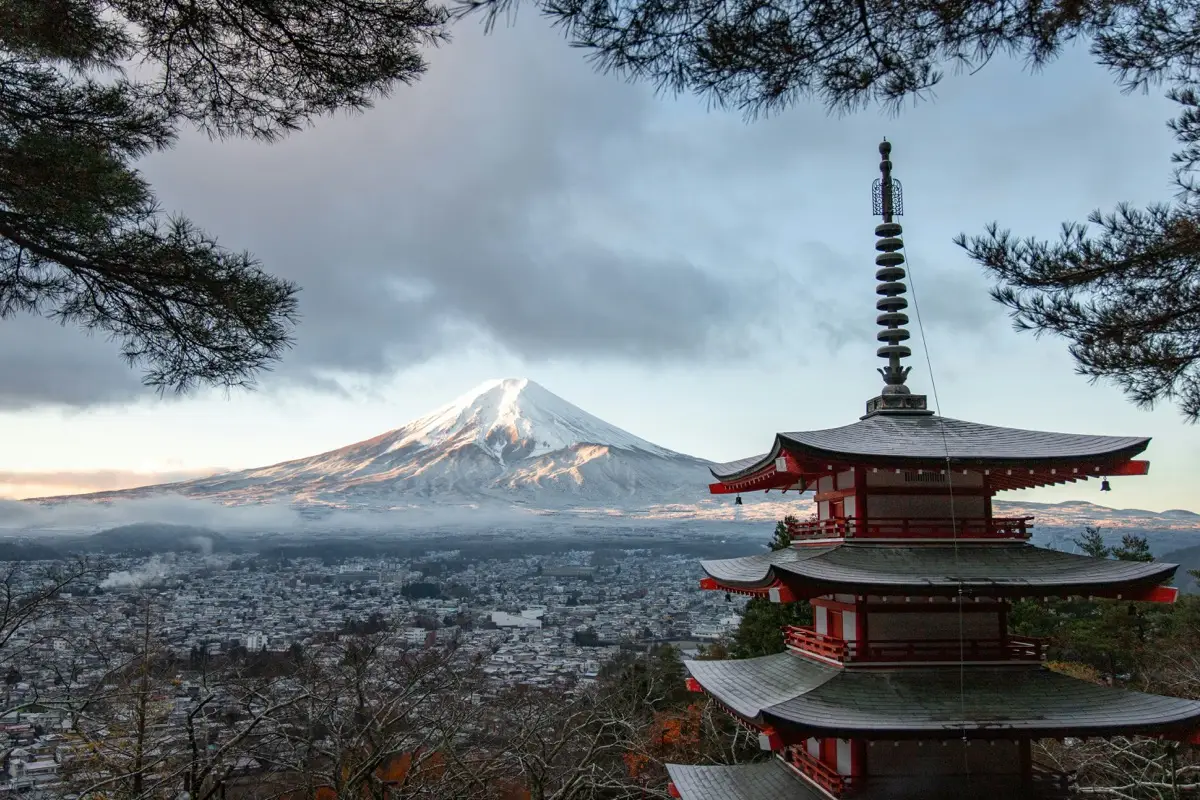
On this page
Shinjuku Station moves 3.6 million people a day, making it the busiest railway station on earth. The signage is in Japanese, the platform you need is on basement level four, and your train leaves in six minutes. Without a data connection, you're stuck staring at a route map you can't read.
Mobile data in Japan isn't a convenience. It's basic infrastructure for any foreign traveler. Google Maps, translation apps, restaurant finders, and train schedules all require it, and Japan's rail network is too complex to wing without live directions.
Quick answer for travelers
A Japan eSIM is the simplest data setup for most visitors: buy a Japan eSIM plan, install it before you fly, turn on data roaming for that line, and use it for maps, translation, train routing, LINE, and restaurant lookups when you land. Pick 10-15 GB for a typical 7-10 day trip; go larger if you plan to share a hotspot or stream video.
If this is your first eSIM, read the plain-English eSIM guide first, then use the eSIM installation checklist before boarding. If the line connects but data does not load, the fix is usually data roaming or APN settings; our eSIM troubleshooting guide covers the fastest checks.
Is a Japan eSIM better than pocket WiFi or an airport SIM?
Japan used to have three options for tourists who wanted data: rent a pocket WiFi device (requires a deposit, returns, and daily charging), buy a physical SIM at the airport (lines at Narita and Haneda, confusing plan tiers), or pay international roaming rates (brutal). An eSIM skips most of that. You install it before your flight and you're connected the moment you land.
Will a Japan eSIM work well in Tokyo, Kyoto, Osaka, and on trains?
Japan's mobile infrastructure is genuinely excellent. Three carriers dominate: NTT Docomo (the largest, with over 91 million subscribers), au by KDDI, and SoftBank.
NTT Docomo has the widest coverage footprint, tying with au at a 99.7% availability score in independent network testing. That means signal in Tokyo's underground metro stations, along the rural mountain roads of Hakone, and on the Shinkansen between cities. NTT Docomo leads in 5G download speed in independent tests, while KDDI's au network performs best on overall experience metrics.
In practical terms, expect these speeds:
- Major cities (Tokyo, Osaka, Kyoto, Fukuoka): 50-200 Mbps on LTE, faster on 5G where available
- Rural areas and smaller cities: 10-50 Mbps on LTE, enough for maps and video calls
- Metro and Shinkansen: Consistent LTE coverage in stations and tunnels, occasional dips at full bullet train speed
Japan's 5G coverage has expanded rapidly, though actual 5G connection time varies by area. You'll default to LTE often, and honestly, LTE in Japan is fast enough that you won't notice.
How should you set up your eSIM before flying to Japan?
The whole process takes about two minutes.
- Buy a Japan eSIM plan from Only eSIM or another provider. You'll receive a QR code by email instantly.
- Scan the QR code in your phone settings:
- iPhone: Settings > Cellular > Add eSIM > Use QR Code
- Android: Settings > Network & Internet > SIMs > Add SIM
- Enable data roaming on the new eSIM line (this is off by default and the #1 reason people think their eSIM isn't working).
Install at home before your trip. The data plan clock starts ticking only when you first connect to a Japanese carrier, so there's no cost to installing early. When you land, your phone connects within seconds. No airport WiFi hunting required.
Tethering
Most eSIM providers, including Only eSIM, support hotspot tethering on Japan plans. This is useful if you're traveling with someone whose phone doesn't support eSIM, or if you want to connect a laptop. Just know that hotspot usage eats data faster. Budget an extra 3-5 GB if you plan to share.
Where will mobile data help most in Japan?
Tokyo
Skip the "top 10 tourist attractions" listicle approach. Instead, think in neighborhoods. Shimokitazawa for vintage shops and tiny live music venues. Yanaka for old-Tokyo atmosphere, temple paths, and a shotengai (shopping street) that feels like the 1960s. Asakusa for Senso-ji temple, but go before 8 AM to avoid the crowds. Shibuya is worth seeing once for the crossing, but the real draw is the food in the backstreets south of the station. Akihabara if you're into gaming or electronics, though it's more tourist-oriented than it used to be.
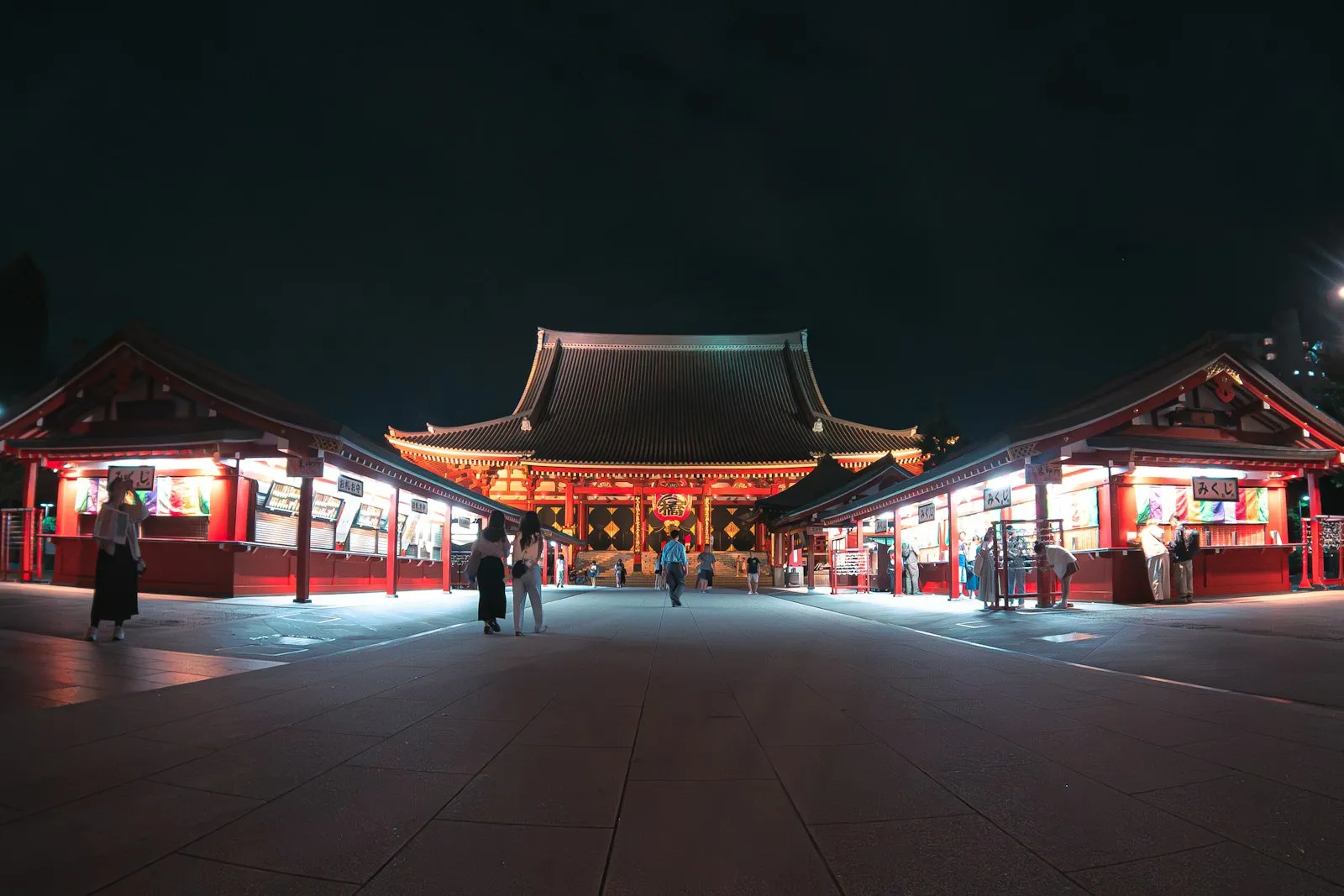
Senso-ji in Asakusa is Tokyo's oldest temple. Arrive before 8 AM to see it without the crowds.
Kyoto
The Fushimi Inari gates are stunning but packed by 9 AM. Go at 6:30 AM or skip to the upper trail where 95% of visitors turn back. Arashiyama's bamboo grove is similar: early morning or don't bother. For a quieter experience, head to Ohara, about an hour north by subway and bus, where temple complexes sit in ancient cedar forests with a fraction of the crowds. Nishiki Market is the food stop, but eat lunch there, not just samples.
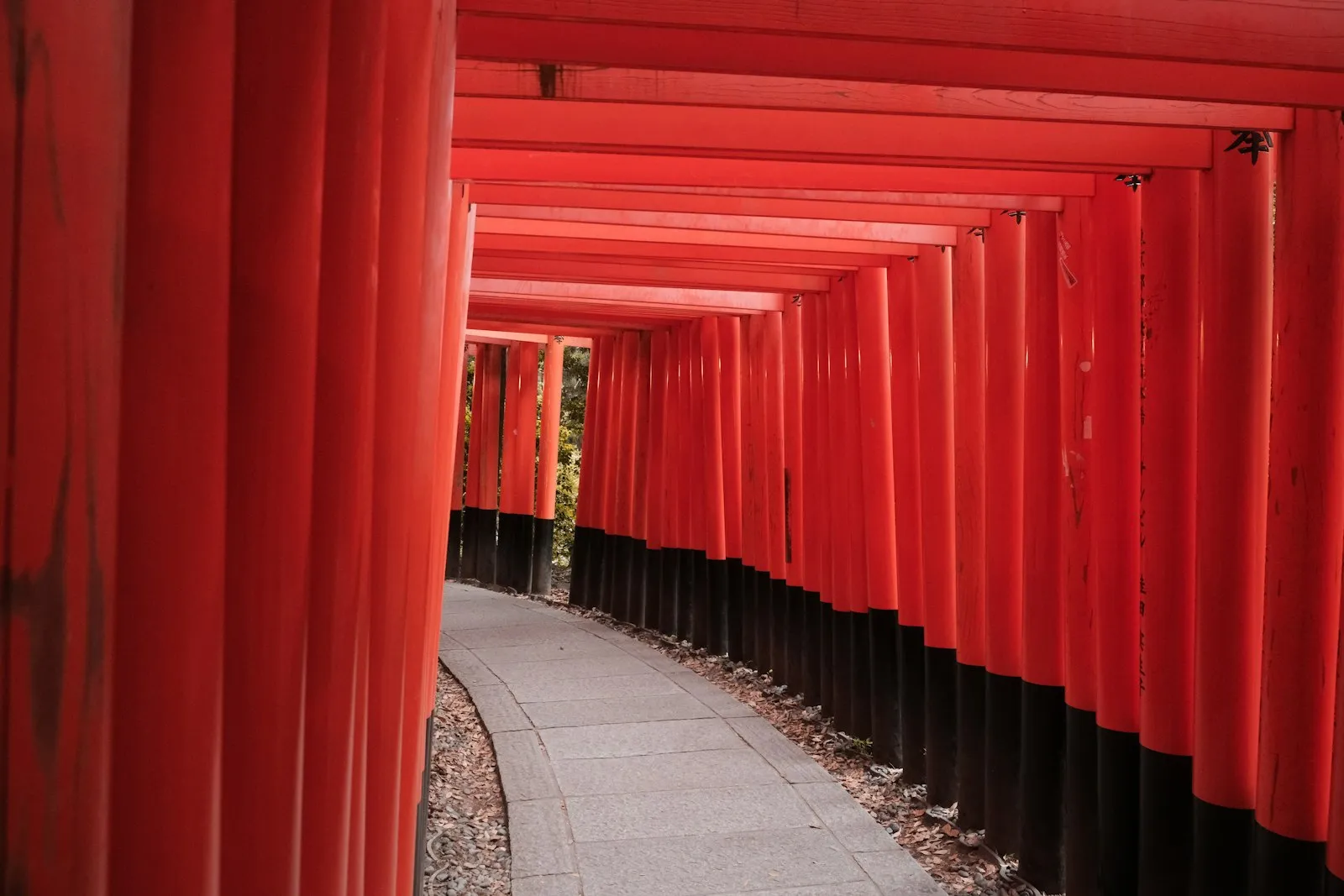
The iconic torii gate tunnel at Fushimi Inari Taisha. The path continues for 4 km up Mount Inari — most tourists only walk the first 500 meters.
Osaka
Osaka is where Japan eats. Dotonbori is the famous street food strip, and it lives up to the hype. Shinsekai is grittier, cheaper, and has better kushikatsu (deep-fried skewers). Nakazakicho is a quiet neighborhood of converted machiya townhouses turned into cafes and galleries.
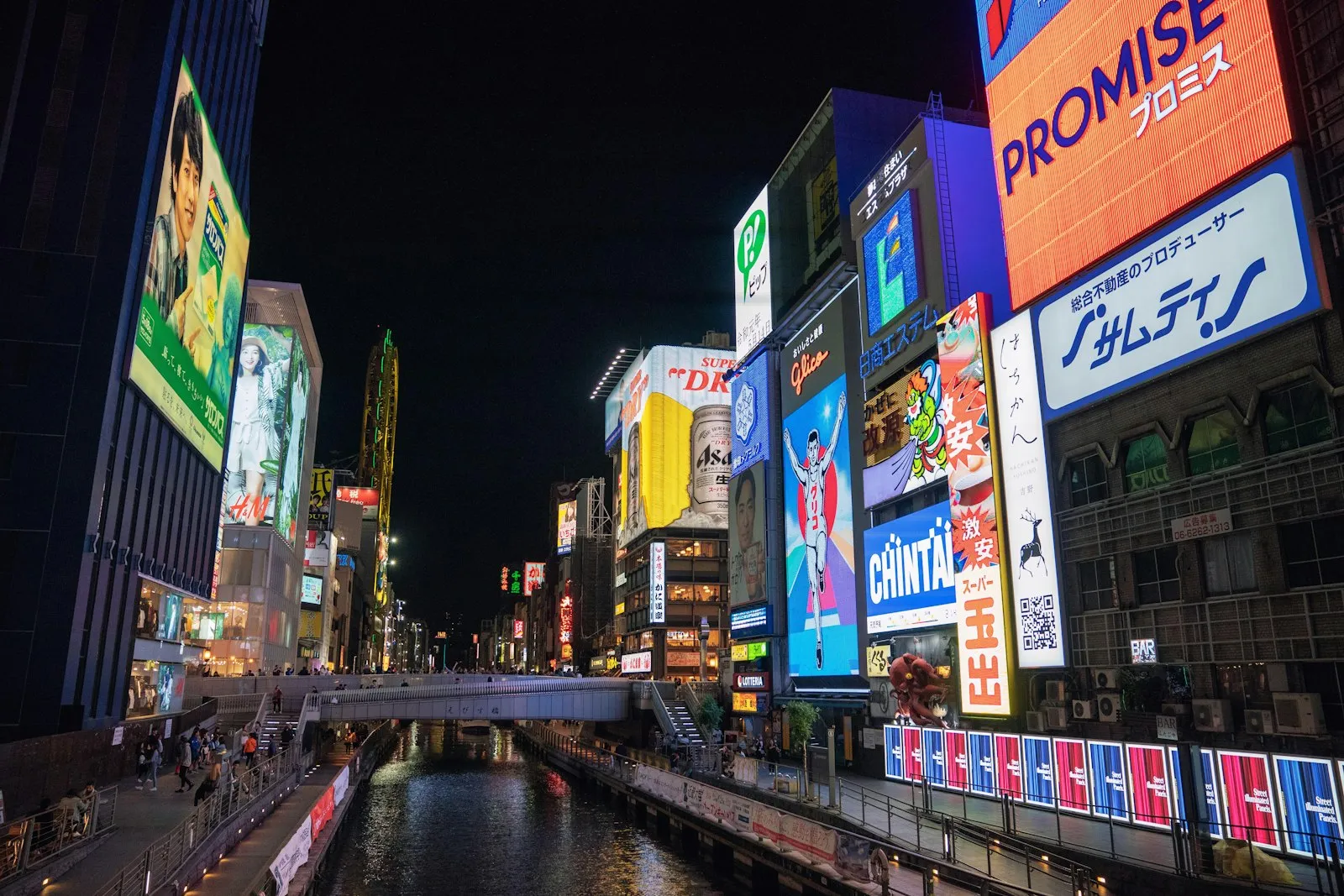
Dotonbori's neon-lit canal at night. This is Osaka's most famous street food district — come hungry.
Beyond the golden route
Kanazawa is sometimes called mini-Kyoto but with far fewer tourists. Its Kenrokuen Garden, samurai district, and gold-leaf workshops are all walkable. Hiroshima is a sobering but essential stop. Hakone is a day trip from Tokyo for hot springs and Mt. Fuji views. Takayama in the Hida Mountains has preserved Edo-period streets and some of the best beef in the country.
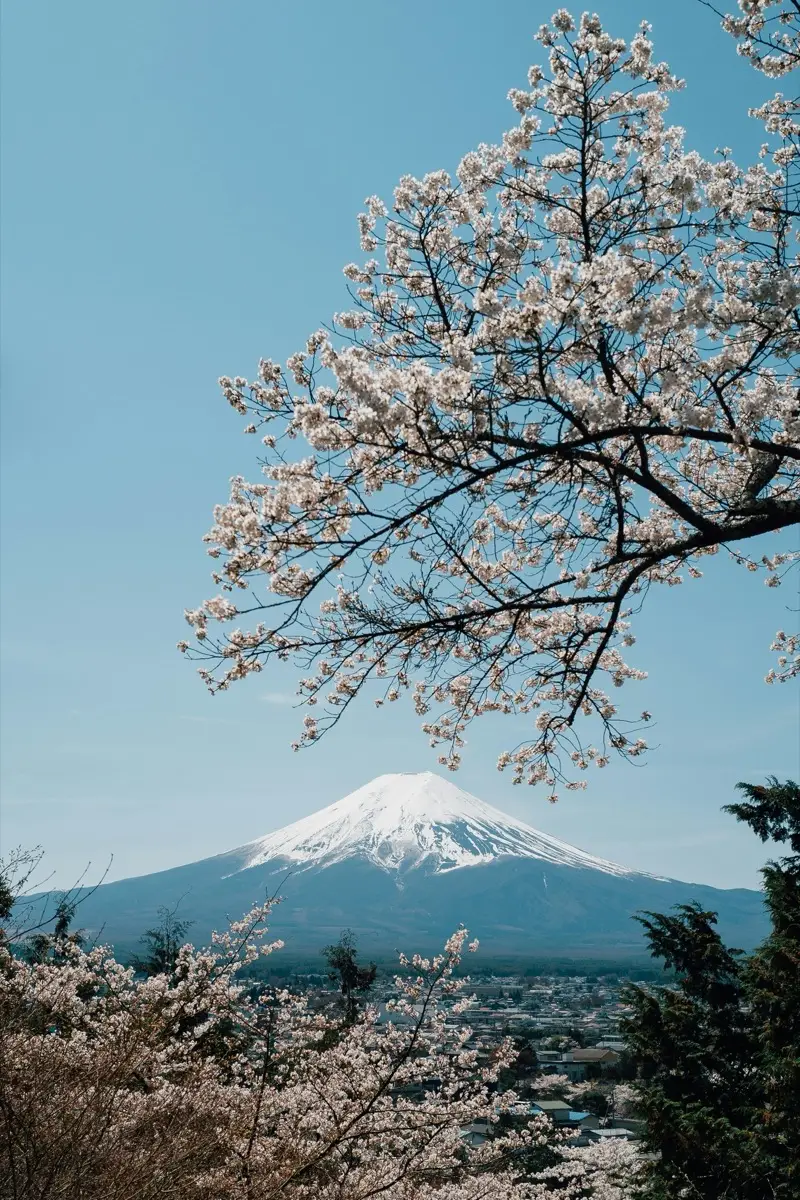
Cherry blossom season (late March to mid-April) is peak travel time. Book early and expect crowds at popular hanami spots.
Food worth planning around
Japan is arguably the best food country on earth. Some specifics:
Ramen varies by region. Tokyo-style is soy-based and clean. Fukuoka's Hakata ramen is thick pork bone broth. Sapporo does miso. Find a local shop with a line out the door and join it. Ichiran in Shibuya is a good starting point if you've never had proper ramen, with individual booths and a paper ordering system.
Conveyor belt sushi (kaiten-zushi) is shockingly good in Japan, even at chain spots like Sushiro or Kurazushi. Budget around 1,000-2,000 yen ($7-14) for a filling meal. For high-end sushi, Ginza is the neighborhood, but expect to spend 15,000+ yen per person.
Street food in Osaka: Takoyaki (octopus balls) at any stall in Dotonbori. Okonomiyaki (savory pancakes) at Mizuno in Namba, which has had a line since the 1940s. Kushikatsu at Daruma in Shinsekai.
Convenience store food is not a joke recommendation. 7-Eleven onigiri (rice balls), Lawson's egg sandwiches, and FamilyMart fried chicken are genuinely delicious and cost 100-300 yen each.
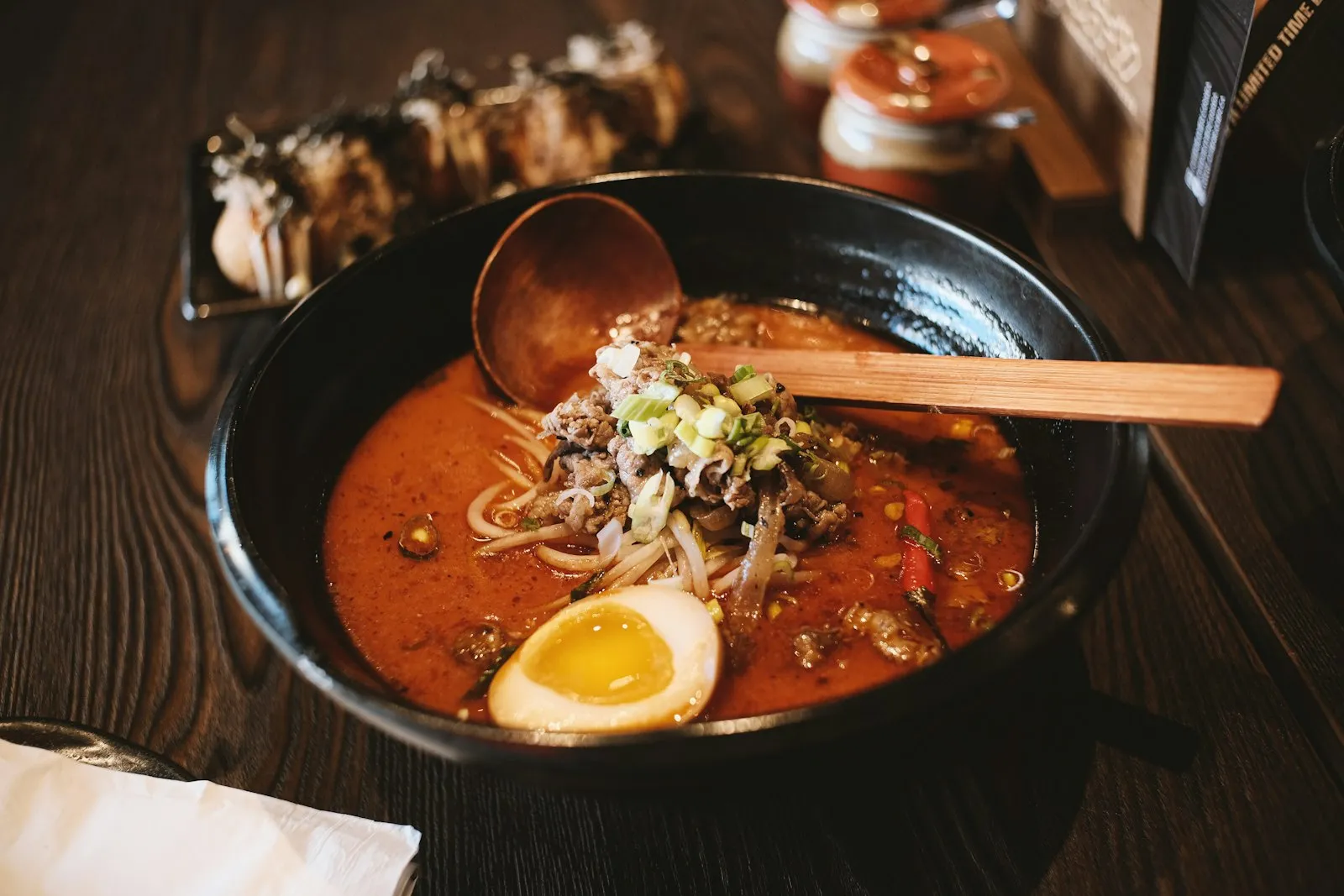
A proper bowl of ramen — egg, chashu pork, and rich broth. Regional styles vary wildly across Japan.
How do you get around Japan without losing time?
Suica/Pasmo IC cards are essential. These contactless transit cards work on trains, subways, buses, convenience stores, vending machines, and many restaurants. JR East's visitor version, Welcome Suica, is valid for 28 days and does not require a deposit. You can also add Suica, PASMO, or ICOCA to Apple Wallet on compatible iPhones before or during the trip.
Japan Rail Pass: the official 7-day ordinary pass is 50,000 yen as of this refresh, so it's only worth it if you're making 2-3+ long-distance Shinkansen trips. A Tokyo-Kyoto-Hiroshima-Osaka loop can justify it. A simple Tokyo-Kyoto round trip does not. Don't activate it on your arrival day if you're just taking a train to your hotel.
Google Maps is accurate for Japanese transit. It shows real-time delays, platform numbers, and transfer walking times. This alone justifies having mobile data.
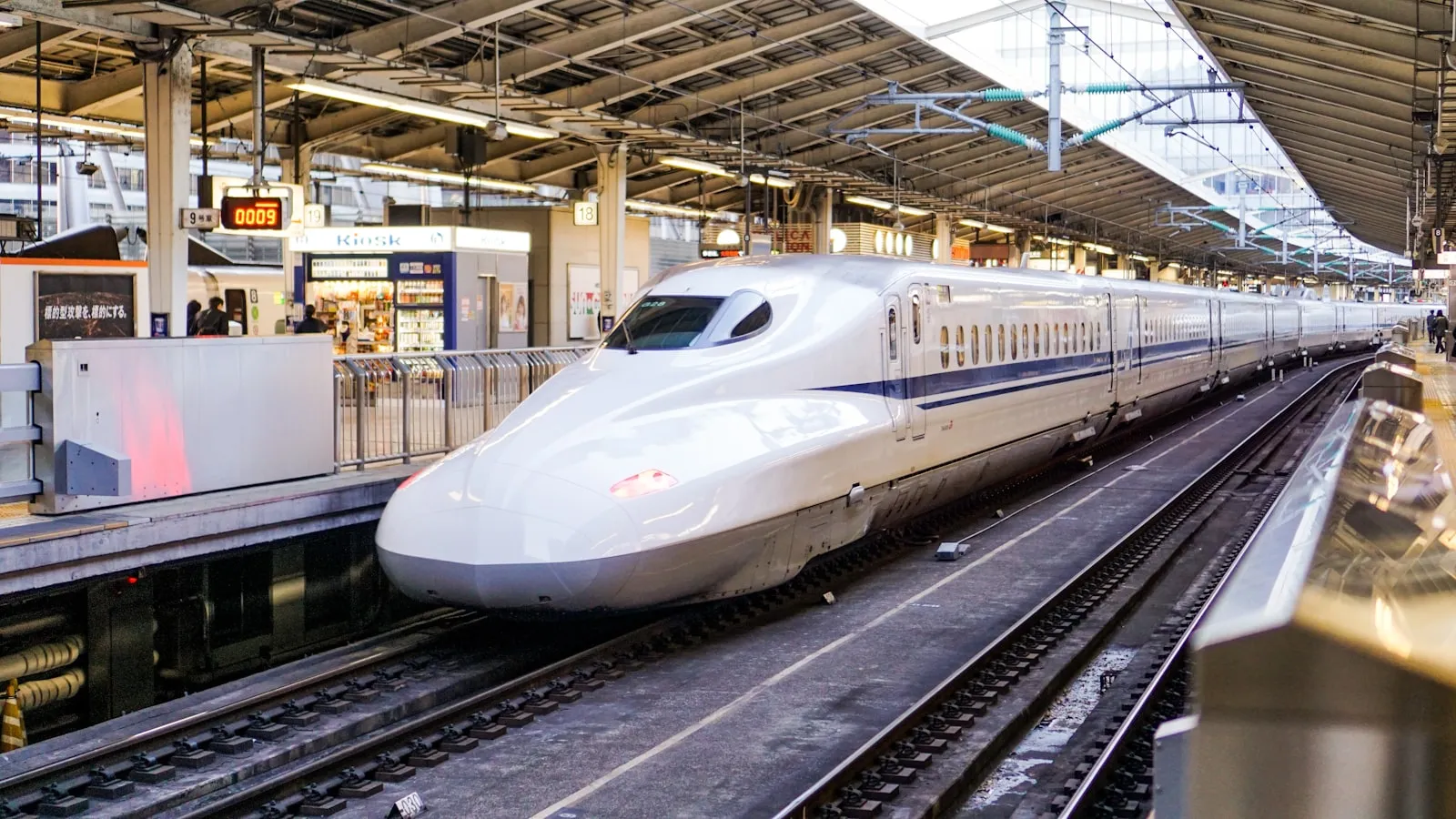
The Shinkansen averages 280 km/h between cities. Google Maps with live data makes navigating Japan's rail network manageable.
Safety and cultural notes
Japan is one of the safest countries for travelers. Violent crime against tourists is extremely rare. That said:
Bar scams in Kabukicho (Shinjuku's entertainment district) exist. Touts will invite you to "all-you-can-drink" bars that add mystery charges to your bill. Stick to places you find yourself.
Etiquette basics: Remove shoes when entering homes, some restaurants, and temple areas (look for a shoe rack at the entrance). Bow slightly when greeting people. Don't tip anywhere. Don't eat while walking. Talk quietly on trains. These aren't arbitrary rules. Japanese people follow them too, and making the effort is noticed and appreciated.
Useful phrases: "Sumimasen" (excuse me/sorry) gets you through 80% of interactions. "Arigatou gozaimasu" (thank you) covers the rest.
Download the Line app before you go. It's Japan's dominant messaging platform, used by restaurants for reservations, shops for coupons, and friends for everything. Having it on your phone with an active data connection gives you access to a layer of Japan that most tourists miss.
How much data do you need for Japan?
- Light usage (maps, messaging, translation): 1 GB/day
- Moderate usage (social media, photos, restaurant lookups): 1.5-2 GB/day
- Heavy usage (video calls, streaming, hotspot sharing): 3+ GB/day
Free WiFi exists in Japan but it's inconsistent. Major stations and convenience stores offer it, but you'll often need to re-register every 30 minutes. Treat it as a backup, not a plan.
For a typical 7-10 day trip, a 10-15 GB plan covers most travelers. If you're sharing a hotspot or posting video content, step up to 20 GB. For a longer breakdown by app and travel style, use our travel data calculator guide.
Find data for your next trip
Compare coverage, data and validity before choosing your eSIM.
Browse destinationsPhotos by Su San Lee, Ryunosuke Kikuno, Adam Wilson, Mon Jester, Jason Rost, Allen Y, and Fikri Rasyid on Unsplash.
🇯🇵 Stay connected in Japan
Compare coverage, data and validity before choosing your eSIM.
Browse Japan plansMore for your trip
Destinations
South Korea eSIM Guide: Seoul, Setup, Transit, and Data Tips
A practical South Korea eSIM guide for travelers: when to install, what to expect on Korean networks, Seoul transit tips, data sizing, and what to do before landing.
Mia7 min read
Destinations
Thailand eSIM Guide: Setup, Bangkok Transit, and How Much Data You Need
A practical Thailand eSIM guide for travelers who want data working before they leave the airport, plus setup tips, Bangkok transit advice, scam awareness, and realistic data sizing for islands, cities, and cafe days.
Mia8 min read
Destinations
France eSIM Guide: Paris Arrival, Trains, and Data Tips
A practical France eSIM guide for Paris arrival now that paper metro tickets are gone, plus SNCF train days, timed museum entry, Provence and Riviera trips, data sizing, and the France-only vs Europe plan decision.
 Gisele8 min read